Accounting software comes in many forms, each tailored to specific business needs. From basic tools for sole traders to advanced systems for large enterprises, this guide compares the most common types of accounting software to help you choose the solution that best fits your business needs.
Why is accounting software important for your business?
Whether freelancer or growing enterprise, digital accounting tools provide a more reliable and efficient alternative to spreadsheets and paper-based records. Automated accounting software improves processes such as invoicing, expense tracking, payroll, and tax calculations. With real-time data access, businesses can make informed financial decisions and maintain better cash flow control.
In contrast, manual data entry is time-consuming, prone to mistakes, and often leads to inconsistencies that can be costly. It also makes financial reporting more complex and harder to audit. By using the right types of accounting software, businesses can ensure compliance, increase efficiency, and scale more easily.
Different types of accounting software
Choosing the right types of accounting software mainly depends on your business size, industry, and specific needs. Below is an overview of the most common different types of accounting software and what they’re suited for.
Basic bookkeeping software
Basic bookkeeping software is ideal for sole traders and startups that need a simple way to manage finances. It typically includes essential features like income and expense management software, invoicing, as well as basic financial reporting.
These types of accounting software are user-friendly, affordable, and designed for non-accountants with minimal training required. They keep records organised without the complexity of more advanced systems. While they may lack in-depth features like payroll or tax compliance, they’re perfect for businesses looking to stay on top of their finances without investing heavily in software or hiring an accountant.
Main features:
Simple income and expense tracking
Basic invoicing
Cash flow overview
Basic financial reports
Easy-to-use interface
Small business accounting software
Small business accounting software is designed to support growing companies that need more than basic bookkeeping. These solutions often include features such as payroll, VAT management, bank reconciliation, inventory tracking, and detailed financial reporting. They’re ideal for SMEs looking to improve financial accuracy, save time, and ensure compliance.
Many systems also offer integration with your banking business account, payment gateways, or e-commerce tools. The interface is generally user-friendly and allows business owners to manage their own finances without deep accounting knowledge. This type of software is scalable, which means it can add more complex financial operations as businesses grow – the best complement to a small business checking account.
Main features:
Automated payroll and VAT returns
Bank reconciliation
Financial and tax reporting
Often include inventory and stock management
Integration with banks and e-commerce platforms
Enterprise Resource Planning (ERP) systems
ERP systems are comprehensive software solutions for medium to larger enterprises that integrate accounting with other core business functions like inventory management, supply chain, HR, and customer relationship management.
These types of accounting software are highly customisable and often used by companies with complex reporting needs, multiple locations, or international operations. While they can be expensive and require training or IT support, they offer unmatched control and visibility over finances and resources, which makes them a long-term investment.
Industry-specific accounting software is tailored to meet the unique needs of certain sectors such as retail, construction, healthcare, hospitality, or legal services. These different types of accounting software go beyond generic accounting functions by offering features like job costing, inventory management, trust accounting, or patient billing.
For example, construction firms benefit from project-based accounting, while law firms require time tracking and trust fund management. By addressing sector-specific challenges, this type of software can improve accuracy and reduce manual work for niche businesses.
Main features:
Sector-specific templates and workflows
Project/job costing
Time tracking and billing
Inventory or stock control
Compliance with industry regulations
Cloud-based accounting software
Cloud-based accounting software runs on remote servers, which offers a high degree of flexibility. Users can access real-time financial data from any device and anywhere, which is especially useful for teams working across locations.
Automatic updates, data backups, and security features are handled by the provider, which reduces the need for in-house IT support. These types of accounting software mainly use a scalable subscription model and can be integrated with other cloud-based apps like banking, payroll, or CRM tools.
Main features:
Access from any device with internet
Real-time collaboration and updates
Automatic data backups and software updates
Subscription pricing model
Often integration with third-party apps
Desktop accounting software
Desktop accounting software is installed locally on a computer or internal server to offer full functionality without relying on internet access. It’s preferred by businesses that handle sensitive data or operate in areas with unreliable internet connections.
These types of accounting software store data locally, which gives businesses more control – but it also means that they are responsible for handling backups and keeping everything up to date. While less flexible than cloud-based solutions, desktop software can offer greater stability and performance, particularly for businesses that value security.
Main features:
Full offline access
Enhanced data security (local storage)
More user responsibility
One-time licence purchase
Open-source accounting software
Open-source accounting software is free to use and can be customised to fit a business’s exact needs. It’s best suited to companies with in-house IT expertise or access to technical support. The source code is publicly available, which allows businesses to modify the software, add features, or integrate it with other systems.
This level of control is ideal for organisations with specific requirements or privacy concerns. While the initial cost is low, implementation, customisation, and maintenance can require significant time and resources. Open-source solutions offer flexibility and independence, but usually lack the user-friendliness and support of commercial software.
Main features:
Free to use and modify
Customisable source code
Support for multiple users and languages
Community or developer-based support
Integration with other open-source tools
In-house IT expertise needed
AI-powered solutions
AI-powered accounting software uses artificial intelligence and machine learning to automate tasks, analyse data, and generate insights. These tools can categorise expenses, predict cash flow trends, detect anomalies, and even automate bank reconciliations. They are ideal for businesses that seek smarter, faster ways to manage finances with minimal manual input.
Over time, the system learns from user behaviour and becomes more accurate, which can help reduce human error, save time, and support better financial decisions. AI-driven tools are particularly valuable for busy teams that want to focus less on data entry and more on strategic planning.
Main features:
Smart categorisation of transactions
Automated bank reconciliations
Cash flow forecasting
Anomaly detection and fraud alerts
Custom financial insights and recommendations
Team expenses used to be Excel only. Now it’s just automated. My accountant says we save at least 10 hours per week.
Lennart Rieper
Managing Director, STRYVE
Connect your accounting software to amnis
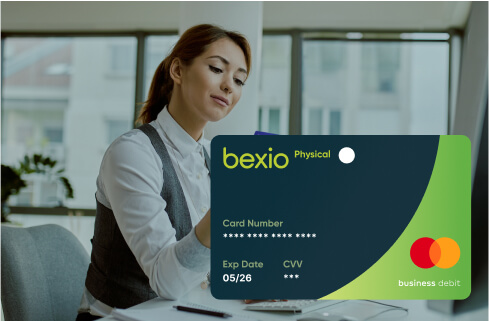
No matter which types of accounting software you are using, amnis multi-currency debit cards enhance your financial workflows with smart features such as auto-accounting and expense management.
Physical and virtual multi-currency debit cards in CHF, EUR, USD, GBP and more
Simplified expense management – automate receipts, track team spending, and sync directly with your accounting tools
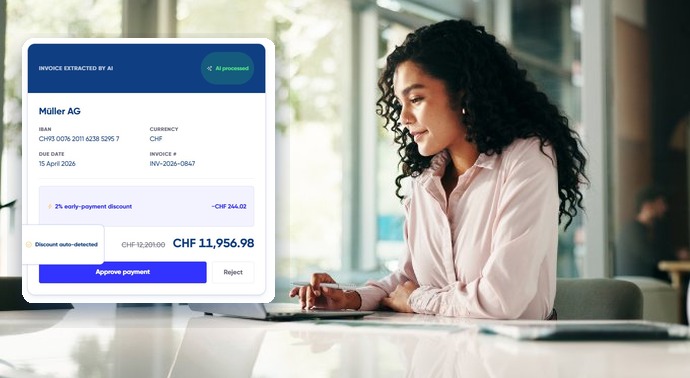
amnis AI & Automation – including Expense AI, Payment AI and Mail-to-Pay – to reduce manual financial work across expenses, payments, and banking
Smart invoice upload, tagging and categorisation
amnis API to integrate with your system
Native integrations with bexio, Google Pay and Apple Pay
24/7 self-service to manage all your finances from a single dashboard
Join the amnis ecosystem to upgrade your accounting processes.
As Senior Content Writer at amnis, Elena transforms complex financial and banking topics into clear, insightful content for SMEs. She focuses on areas such as the FX market, international payments, cross-border business operations, and regulatory updates - ensuring companies have access to reliable and easy-to-understand guidance.
With a strong background in research and communication, Elena plays a key role in helping businesses stay informed, make smarter decisions, and navigate the evolving world of international finance.
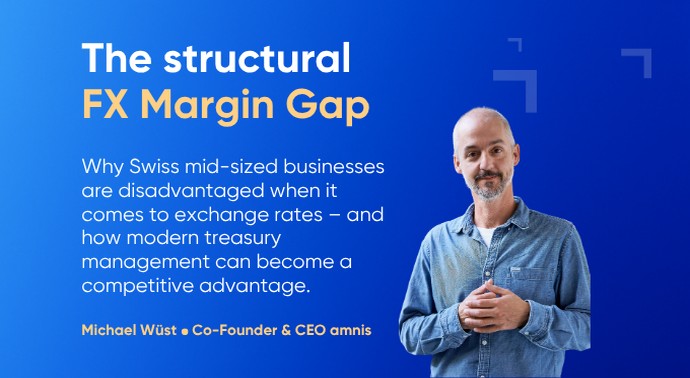
Swiss mid-sized businesses pay more than large corporations on exchange rates and card payments. Why professional treasury management is becoming a competitive factor in 2026.
A single-use virtual card can improve security and cash management. Learn more about the pros & cons plus alternatives to a virtual credit card for business.