Best multi-currency accounts in 2026: Full overview
A comprehensive multi-currency account comparison. Discover the best multi-currency business account to save transaction fees and unnecessary red tape.




What do companies like Netflix, Spotify, Adobe, and HelloFresh have in common? They all thrive on the subscription business model – a strategy that prioritises long-term customer relationships over one-time transactions. This model delivers predictable revenue, higher customer satisfaction, and sustainable growth. Discover how the subscription model is transforming industries and learn proven strategies for building a successful subscription-based business.
A subscription business model is a revenue strategy where customers pay a recurring fee in exchange for a product or service. Unlike traditional one-time purchases, the emphasis is on ongoing value and long-term relationships. Businesses that adopt this model benefit from predictable revenue, while customers enjoy convenience, personalisation, and lower upfront costs.
There are several variations of this model. Some companies focus on replenishment, sending consumables like food, coffee, or personal care items regularly. Others provide unlimited access, such as digital streaming platforms or gyms. Many businesses also implement tiered pricing to offer basic, standard, and premium packages that cater to different customer needs.
The flexibility of this approach means it can be applied across multiple industries, from retail and healthcare to education and finance. In essence, a subscription model aligns the interests of the business and the customer, as companies are motivated to keep delivering value, while customers benefit from consistent, hassle-free experiences.
Subscription business models can take many forms, depending on the industry and customer demand. Some of the most common subscription models include:
To succeed, a subscription model must integrate several essential elements. When executed correctly, the following components create a scalable system that fosters loyalty and growth:
Measuring the performance of a subscription business model goes beyond simply tracking revenue. Key metrics provide valuable insights into profitability, customer loyalty, and overall financial health. They also help businesses anticipate risks such as rising cancellations or unsustainable acquisition costs. By focusing on the right indicators, companies can make informed decisions, refine their strategies, and ensure long-term growth in an increasingly competitive subscription economy.
| Metric | Definition | Importance |
|---|---|---|
| Customer lifetime value (CLV) | Average revenue from a customer over their entire relationship | Measures long-term profitability |
| Monthly recurring revenue (MRR) | Predictable revenue from subscriptions each month | Tracks financial health and growth |
| Churn rate | Percentage of customers cancelling in a period | Indicates retention success |
| Customer acquisition cost (CAC) | Cost to gain a new subscriber | Helps balance marketing spend with returns |
Despite its benefits, the subscription model comes with its own challenges, especially for global businesses. Managing multiple currencies across regions can become increasingly complex, as exchange rates fluctuate and transaction fees add up.
Subscribers expect billing in their local currency, but businesses risk revenue leakage without proper hedging systems in place. Further, handling tax regulations, compliance, and cross-border payments also complicates scaling. Therefore, international companies need robust financial tools to manage payments, reduce conversion losses, and maintain customer trust across markets.
Subscribing B2B customers, on the other hand, need to implement solid subscription management strategies to keep track of all ongoing expenses. Effective methods include using virtual cards for subscriptions as well as spending control and tracking strategies.
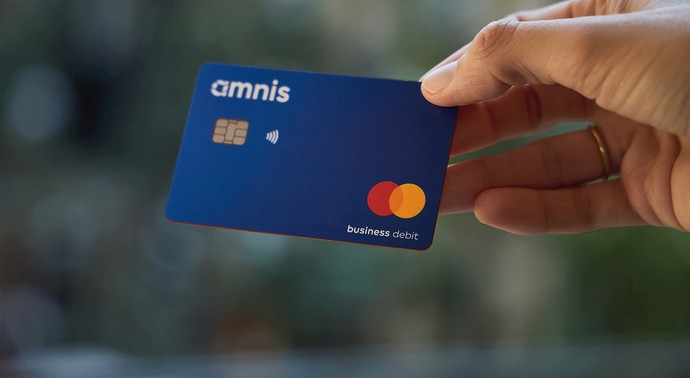
Expanding your subscription or SaaS business internationally requires efficient and scalable financial operations. With amnis, you can manage global payments, access competitive FX rates, and handle multi-currency transactions — all from one single account.
Your all-in-one banking platform for subscription and SaaS models – built to simplify global finance.
Why leading subscription businesses choose amnis:
Set up your free demo account today and experience how amnis helps subscription businesses grow across borders.