Solving the multi-currency payment pain for eCommerce
A multi-currency eCommerce platform helps reduce abandoned carts, lower FX fees, and simplify global payments – boost your eCommerce business today!


With a market cap of over 220 billion US-Dollars, Alibaba is the world’s largest B2B marketplace and supplier directory. While the company is based in China, the marketplace is open to buyers and sellers from all over the world.
Alibaba payment methods range from commonly used to exotic payment providers, which differ in their safety and fee structures. Therefore, we give our readers an overview over the safest and most cost-efficient Alibaba payment options, so that you can save money with each transaction.
Alibaba’s payment methods are numerous and vary depending on your region. The following section describes the pros, cons and cost structures of commonly used Alibaba payment options all over the world.
Wire or SWIFT transfers are among the most expensive ways to move funds from one bank account to another. The SWIFT (Society for Worldwide Interbank Financial Telecommunication) network is a global messaging system used by banks and financial institutions to securely exchange information and instructions for international transactions.
It does so by determining the itinerary route the money has to pass through before reaching its destination. It usually passes through up to 3 different intermediary banks until it reaches the receiving account, which ramps up transaction costs. The cost structure is usually a percentage of the total amount plus 3% to 5% of the actual exchange rate.
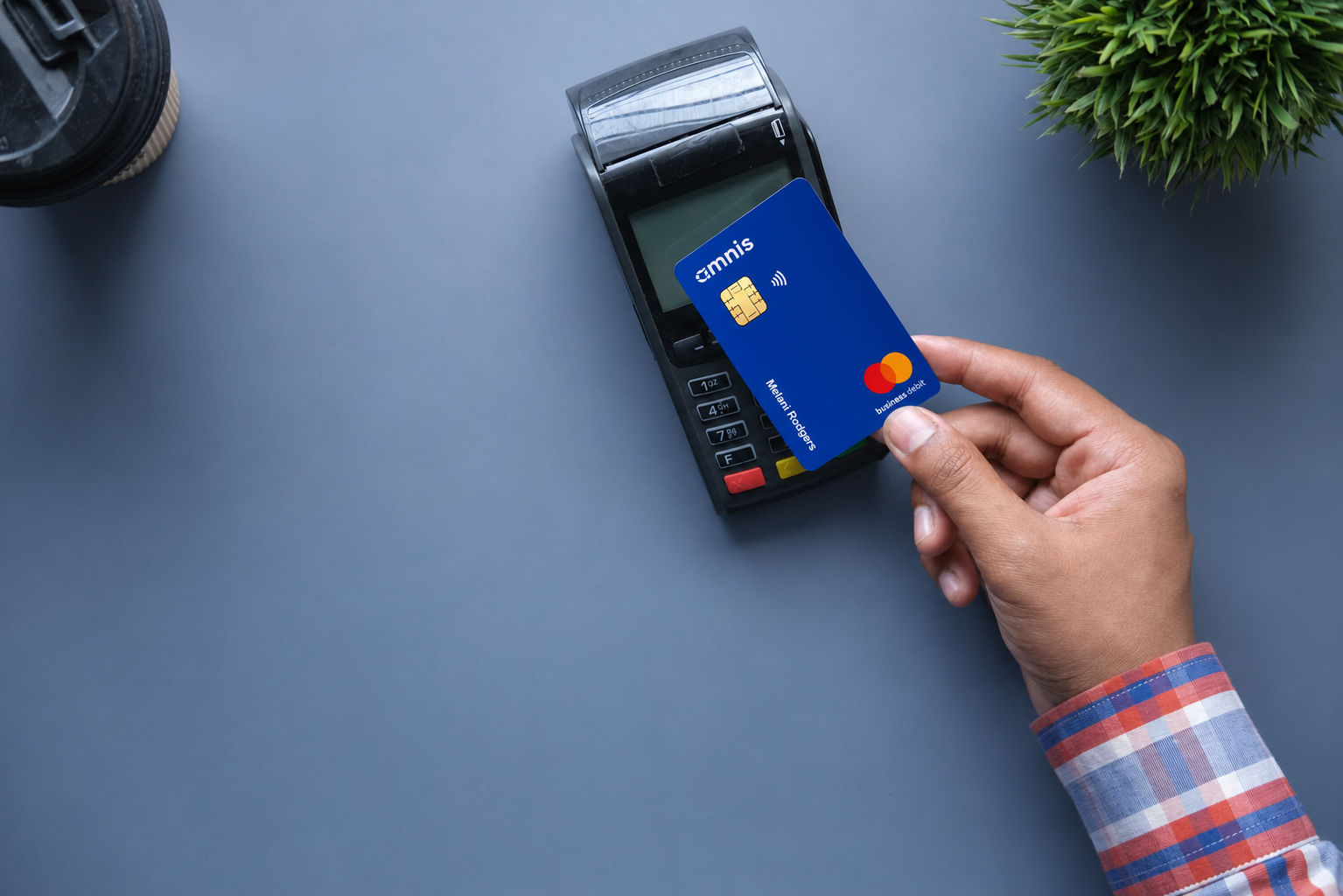
Debit and credit cards are among the most commonly used Alibaba payment options worldwide. Both are connected to a payment network such as Mastercard to make transactions easy and efficient. Even though debit and credit cards seem similar, the actual functions and cost structures are quite different.
Debit cards are linked to your bank account. When you use a debit card, the amount is directly deducted from your current account. This means you can only spend money that is already in your account. Credit cards, on the other hand, allow you to borrow money up to a certain limit set by the card issuer. When you use a credit card, you’re essentially taking out a short-term loan, which you’re expected to pay back, usually on a monthly basis.
Debit cards usually have fixed transaction fees and, depending on the institution, unfavourable FX rates. Credit cards are among the most expensive payment methods, with transaction fees of roughly 2% to 4% of the full transaction amount.
PayPal was founded in 1998 and has since become one of the most widely used and trusted online payment services in the world. It provides a secure and convenient way to carry out financial transactions without the need for physical cash or direct bank transfers.
Besides its convenience, PayPal is largely avoided by businesses that regularly conduct international transactions, mainly due to its expensive fee structure. PayPal business transaction fees can go up to 3.49% of the total amount, excluding fixed fees. Further, the intransparent currency conversion spread may ramp up to 4%. Additional fees, such as withdrawal fees, may also apply.
A Letter of Credit is a written guarantee provided by a bank on behalf of a buyer to a seller, assuring that the payment will be made for goods or services once certain conditions are met. It acts as a secure method of payment, reducing the risk for both parties involved in the transaction.
Even though a L/C offers security to both parties, the fee structure needs to be considered. It usually varies from 1.5% to 2%, excluding FX commission and transfer fees, which are usually hidden in the spread. Therefore, make sure to use this payment method only in case of uncertainty, for instance when doing business with new suppliers.
No matter which payment platform or provider you are choosing, make sure to read the fine print when it comes to payment structures. For instance, a lot of providers use intransparent exchange rate margins. Therefore, it is advised to compare the actual exchange rates with the rates offered by the providers.
Further, depending on the payment platform, additional fees may apply depending on the service used. Make sure to add up all direct and indirect fees in order to make an informed decision regarding your Alibaba payment methods.
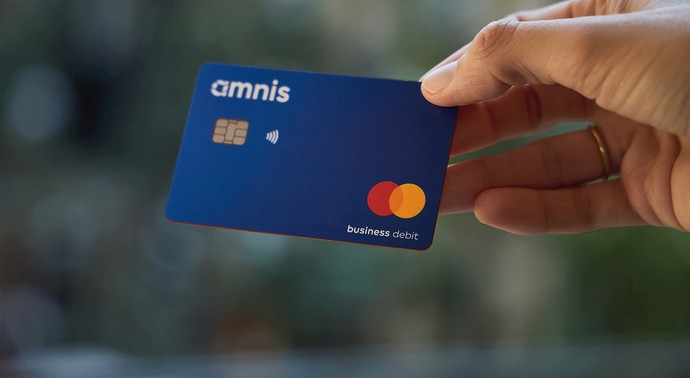
amnis offers a financial ecosystem consisting of foreign-currency accounts as well as multi-currency debit cards for your business.
With amnis’ foreign-currency account, you can hold and pay with foreign currencies from all over the world. Even better: amnis enables you to pay like a local wherever you are, making use of local payment schemes such as SEPA and ACH. You can avoid the SWIFT network and pay like a local in Euros, US-Dollars and many other currencies, no matter where you are located.
Next to the foreign-currency account, amnis offers virtual and physical business debit cards with exchange rate margins way below the market average, ranging from 0.20% to 0.40%, depending on your subscription plan.
If your business also receives customer payments through PayPal, the same problem applies in reverse: PayPal often converts foreign-currency payments at a rate well above the mid-market rate, on top of its standard transaction fees.
amnis can receive PayPal payouts directly in the original currency, avoiding that forced conversion. You then convert the funds at amnis’s competitive rates whenever it suits you, rather than accepting PayPal’s rate by default. Get in touch to find out if this setup applies to your business.
Open a free demo account to find out how much money you can save compared to other Alibaba payment methods.