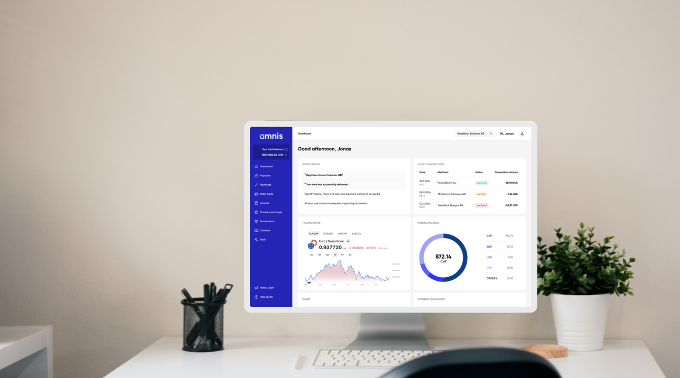
How to withdraw money from PayPal – comprehensive guideline
Learn how to withdraw money from PayPal in multiple currencies, including the best way to withdraw PayPal funds in their original currency with amnis.




Small business expense tracking adds a high level of transparency to your finances. By introducing the right systems, you will find much more opportunities to cut unnecessary expenses as well as to streamline processes for your finance and accounting departments. Find out everything you need to know about how to keep track of expenses for small businesses.
Expense tracking involves systematically monitoring and recording your entire business expenses. Even though expense tracking can be done manually, most companies already rely on software solutions with automation and AI-powered features to increase efficiency while reducing errors from manual entry. Therefore, expense tracking helps you closely monitor your company account, business debit card and other financial systems.
The purpose of expense tracking is to keep a detailed record of all your expenditures, which helps in budgeting, managing finances and gaining insights into your company’s spending habits. Tracking expenses is vital for small businesses, as it provides a clear view of your financial health and where money is being utilised. It also enables you to plan better and to allocate your resources more efficiently.
When it comes to tracking expenses and streamlining your processes, automation is key. The following 5-step guidelines is everything you need to fully control your finances.
How to keep track of expenses for small businesses? The first step consists of digitising all paper-based processes with the right software solutions. The key benefits of expense management softwares include streamlined financial tracking, automated invoicing, and real-time insights into your cash flow.
With the right expense management software, you can digitise receipts and automate expense categorisation. Modern tools increasingly use AI-powered expense processing to capture receipt data and suggest categories automatically, reducing routine work for finance teams. It also integrates with accounting systems, reducing manual data entry and ensuring accurate expense records.
Once you have digitised all your paper-based processes, you will have a much better starting point to introduce spend control measures to monitor and manage expenses effectively. This includes setting clear spending limits or budgets, enforcing approval processes for expenditures, conducting reviews and expense reporting as well as encouraging cost-conscious behaviour among employees.
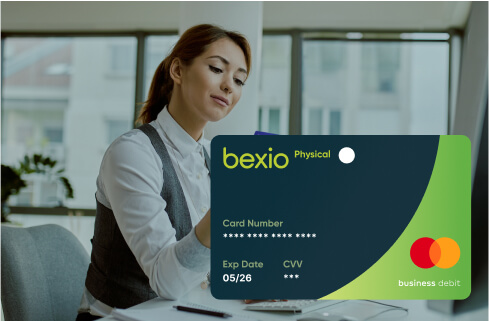
You can even introduce a corporate credit card expense management strategy. This allows you to allocate budget to all card owners within your company, easily track all expenses and export them into your accounting system. With a capable multi currency debit card for your employees, you still have all administrator rights to prevent fraud or overspending.
Another way to increase visibility of all your expenses and streamline your reporting is to categorise all your expenses. For instance, the categorisation of credit card expenses allows you to facilitate the reporting of transactions linked to ongoing projects, events, or personnel expenses, which makes the life of your finance department much easier.
Depending on your system, you can automate this process by assigning tags to a contact or single transaction. Some platforms also use AI to suggest categories based on past transactions, helping finance teams process expenses faster while still reviewing and approving the results. This in turn allows you to trace all of your expenses without the need to manually trace back each and every transaction.
Automated payments are crucial for several reasons. They ensure timely and consistent payments of recurrent bills, which reduces the risk of late fees or missed deadlines. They also offer convenience by eliminating the need for manual processing, saving time and effort for your finance department.
Additionally, automated payments can improve cash flow management by providing predictability in outgoing expenses, which makes financial planning and budgeting much easier. Moreover, they enhance security by reducing the chances of human error or fraud associated with manual transactions.
Find out more about how a virtual card for subscriptions optimises your subscription management strategy.
Efficient expense management is not a one-time job. Instead, make sure to conduct regular audits to ensure compliance and efficiency. Important performance metrics and KPIs for startups help track your progress.
Regular audits typically involve thorough reviews of expense records, receipts and financial documentation to identify discrepancies, errors or potential instances of fraud. Don’t limit your audits solely to expense management, but also regularly check tools and software solutions in order to save costs and to only use solutions that help you optimise your processes.
amnis is a financial service provider offering cost-efficient B2B payment methods that help businesses manage international payments, expenses and currencies more efficiently. With amnis, companies can reduce foreign transaction fees and streamline financial processes through automated categorisation, integrated expense management and AI-powered expense processing.
Receipts can be captured digitally and processed faster, helping finance teams turn transactions into clean accounting data with less manual work and faster month-end closing. In addition, amnis enables businesses to issue virtual and physical debit cards with strong security features, custom spending limits and real-time control, while integrating seamlessly with existing accounting systems.
Open a free demo account today and bring your payment and expense management to the next level.